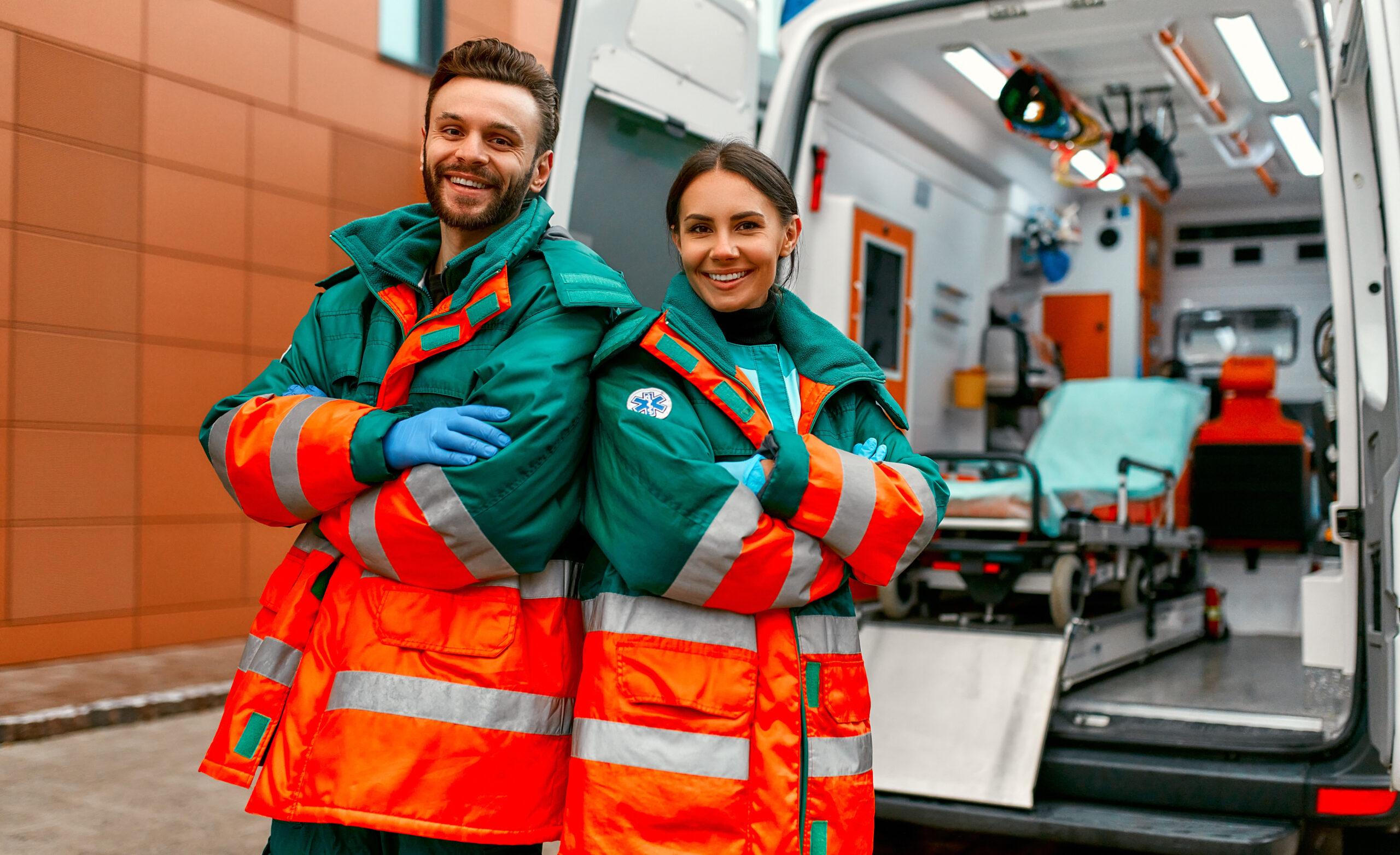
Working in emergency services is not just a job. It is a commitment to the community and a responsibility that requires constant preparation. Every day, first responders face unpredictable situations where lives are on the line. I have worked in paramedicine for several years, and in that time, I have learned that success in this field relies on three essential pillars: discipline, teamwork, and proper equipment. These elements work together to ensure that we are ready when emergencies strike.
Discipline in Every Task
Discipline is the foundation of emergency services. It begins with maintaining personal fitness, both mentally and physically. The work can be physically demanding, from lifting patients to operating heavy equipment, and it can be mentally stressful when decisions must be made quickly. Staying disciplined means committing to regular training, learning new skills, and keeping up to date with protocols.
In my role as an Equipment Repair Technician, discipline is essential when inspecting, servicing, and repairing life-saving medical equipment. Each task must be completed with precision and attention to detail. One small mistake can affect a paramedic’s ability to respond effectively in an emergency. Following standard operating procedures and safety guidelines is not optional. It is the difference between life and death. Discipline also extends to personal habits, such as maintaining punctuality, staying organized, and continuously improving skills. These practices help ensure that I am ready to perform at my best every day.
Teamwork in High-Pressure Environments
No emergency professional works alone. Teamwork is the second pillar that supports effective emergency response. Whether it is coordinating with paramedics in the field, collaborating with other emergency services, or communicating with hospital staff, success depends on clear communication and trust.
Working as part of a team means understanding each person’s strengths and responsibilities. In emergency situations, quick decisions must be made, and team members must rely on one another to execute tasks efficiently. I have seen firsthand how strong teamwork can save lives. When everyone knows their role and communicates effectively, operations run smoothly even in high-pressure situations.
Teamwork is also built over time through training exercises and shared experiences. Participating in simulations, practicing equipment handling, and debriefing after real incidents all strengthen the bonds between team members. In addition, my current role allows me to engage with colleagues beyond our immediate duties, share knowledge, and mentor newer staff. These connections improve teamwork and create a culture of support and collaboration.
Equipment as a Critical Component
The third pillar of emergency preparedness is equipment. Emergency professionals rely on a variety of tools to respond effectively. From automated external defibrillators and stretchers to splints and stair chairs, every piece of equipment must function flawlessly. In my role, I am responsible for ensuring that all medical equipment is operational and ready for use.
Proper equipment maintenance goes beyond simple repairs. It requires detailed inspections, testing, and knowledge of manufacturer guidelines. Equipment must be cleaned, disinfected, and stocked properly. Attention to detail is critical because paramedics in the field depend on these tools to save lives. I also operate vehicles in a non-emergency capacity to retrieve patient care equipment, which requires situational awareness and safe handling skills.
Having the right equipment is important, but knowing how to use it is just as critical. Continuous training ensures that all team members are proficient with the tools at their disposal. Drills, refresher courses, and hands-on experience allow emergency professionals to act quickly and confidently under pressure. Proper equipment, combined with skillful use, can make all the difference in emergency outcomes.
Continuous Learning and Adaptability
Preparedness in emergency services is not static. The environment, technology, and medical practices are constantly evolving. Staying ready means being open to learning and adapting. I regularly update my knowledge on new medical equipment and safety procedures. Attending workshops, reading industry updates, and participating in training exercises ensures that I am aware of the latest practices.
Adaptability also means responding effectively to unexpected situations. No two emergencies are the same, and sometimes plans must change in the moment. Being disciplined, working closely with a team, and understanding equipment capabilities allow us to respond with confidence and efficiency, even when circumstances are unpredictable.
Commitment to Community
At the heart of emergency services is a commitment to the community. Every decision we make, every tool we maintain, and every training exercise we complete is focused on serving the public safely and effectively. The discipline, teamwork, and equipment management I practice every day are not just for my benefit or the benefit of my colleagues. They are for the people of Toronto, who rely on us during their most vulnerable moments.
This commitment extends beyond the workplace. I also coach soccer and participate in community initiatives, helping build resilience, discipline, and teamwork in the next generation. Sharing these values strengthens our communities and reinforces the lessons that are central to emergency services work.
Conclusion
Being prepared as an emergency services professional requires dedication to discipline, teamwork, and equipment. Each pillar supports the others, creating a foundation that allows us to respond effectively in high-pressure situations. My experiences have shown me that success in this field is built on constant learning, attention to detail, and collaboration.
Ultimately, staying prepared is about more than just completing tasks. It is about serving the community with integrity, skill, and care. Every day brings new challenges and opportunities to make a difference. By committing to these principles, emergency professionals can meet those challenges with confidence and continue to protect and support the people who depend on us.